
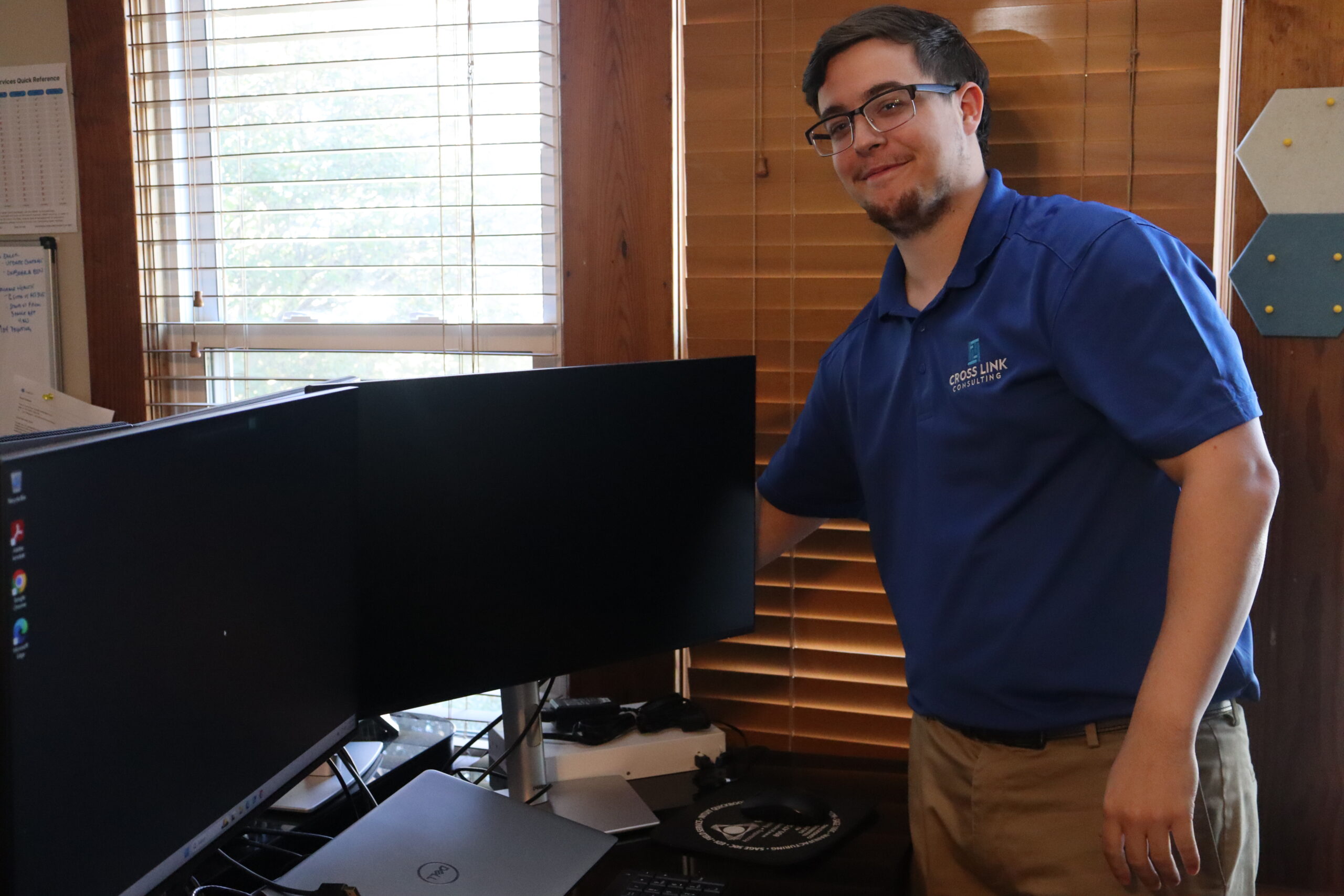

Why Dual Monitors Matter
For many businesses, working with two monitors isn’t a luxury, it’s a necessity. From accountants balancing spreadsheets, to government staff working between applications, a second screen makes the day run smoother. When that second monitor suddenly goes missing, it disrupts focus and slows productivity. Thankfully, this issue is often easy to solve with a few checks before calling in IT support.
Common Causes of a Missing Second Monitor
A missing display can be caused by something as simple as a loose cable or as complex as a failing graphics card. The most common culprits are:
– Loose or faulty monitor cables
– Incorrect display settings in Windows
– Outdated or corrupted graphics drivers
– Hardware issues with the monitor, cable, or video port
Step 1: Check the Physical Connections
First, make sure the basics are covered. Confirm that the monitor is plugged into a power source and turned on. Then, check that the video cable is securely connected to both the monitor and the computer. If your system has multiple video ports, confirm that the cable is plugged into the right one. Switching cables can also rule out a bad connection.
Step 2: Adjust Windows Display Settings
If the monitor is powered on but still not detected, open Display Settings in Windows. Click Detect to see if Windows can find the second screen. Be sure to select the correct display mode. Extend is the most common choice for dual-monitor setups, while Duplicate simply mirrors the first screen.
Step 3: Update or Reinstall Graphics Drivers
Outdated drivers are a frequent cause of monitor detection issues. In Windows, open Device Manager, expand Display adapters, right-click your graphics card, and choose Update driver. If issues persist, reinstalling the driver may restore proper function.
Step 4: Test the Monitor and Ports
To determine if the problem lies with the hardware, try plugging the monitor into another computer. If it works there, the issue may be with your computer’s ports or settings. Testing a different cable or port can also quickly pinpoint the problem.
When It’s More Than Just a Setting
Sometimes the problem isn’t a quick fix. Failing graphics cards, advanced driver conflicts, or even a monitor that has reached the end of its life may require professional help. If you’ve tried the steps above and still can’t restore your display, it may be time to call in trusted IT support.
How Cross Link Consulting Can Help
At Cross Link Consulting, we understand how frustrating it can be when something as simple as a missing monitor slows down your workday. Our team enjoys helping local businesses and organizations across the Greater Augusta, GA and Aiken, SC area keep their technology running smoothly whether that means troubleshooting small issues or guiding you through bigger IT challenges.
If you ever need a trusted partner who cares about your success as much as you do, we’d be glad to lend a hand.