

A Conversation That Hit Close to Home
Last week at the gym, I overheard a conversation that stopped me mid-rep (I’m actually glad because I was about to pass out anyway). Two elderly ladies nearby were talking about a text message one of them had received that seemed almost too personal to be fake. The message mentioned her name, her neighborhood, and even used the tone of someone she knew. Thankfully, she caught on before clicking a link, but her friend hadn’t been so lucky. She shared how a scammer used what sounded like her friend’s actual voice to ask for emergency money, only for her to later realize it was an AI-generated clone.
I work as the Marketing Specialist at Cross Link Consulting, and while I’m not one of the IT technicians, being around our cybersecurity experts every day has taught me just how real and personal these threats have become. Hearing that story reminded me why our work matters so much and it’s because these scams don’t just target businesses; they target people, our neighbors, and especially our elderly loved ones who didn’t grow up with this kind of technology.
It made me realize how important it is for all of us to talk with our parents, grandparents, and older friends about these types of scams before they happen. But as I was reminded this week, it’s not just older generations at risk.
When the Scam Hits Home
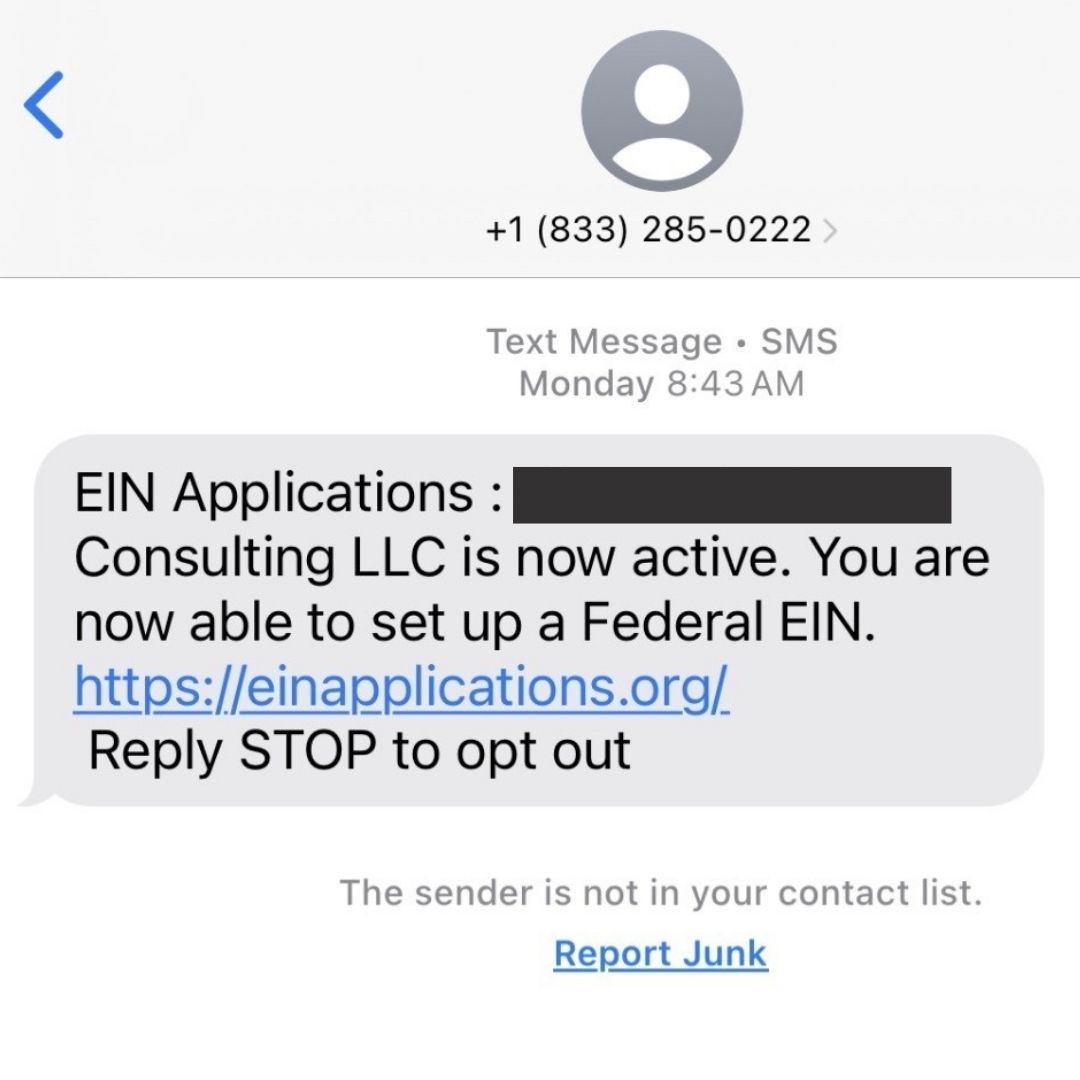
Just a few days after working on this blog, my wife called me and told me she had fallen victim to a scam herself. Someone pretending to be from the IRS reached out about setting up her EIN (Employer Identification Number) for a new business venture. The text message she received looked official, and the person knew enough to make the entire process feel legitimate.
She followed their instructions and a couple hundred dollars later found out that it was a scam. The text message wasn’t from the IRS at all; it was from someone exploiting people’s trust and excitement in starting something new.
I am not going to lie this one hurt. Here I was, writing a blog about scams, only to see firsthand how convincing and personal these attacks have become. My wife is smart, cautious, and aware, but these scams are designed to disarm even the most careful people.
And that’s the scary truth: today’s scammers aren’t just preying on the elderly or uninformed. They’re targeting everyone — business owners, young professionals, and families — using sophisticated technology to appear legitimate.
The Reality of Modern Scams
There was a time when scams were easy to spot like fake “lottery” winnings, or the classic “IRS refund” emails written in broken English. But those days are gone. Now, scammers use artificial intelligence to mimic real people’s voices, design official-looking websites, and pull personal information from social media to make their messages feel authentic.
AI has changed the game. A scammer can clone a voice, copy a business logo, and create a convincing digital trail in minutes. What used to sound suspicious now looks completely normal and that’s what makes it dangerous.
Older adults are still prime targets because they’re often more trusting and less familiar with the latest tech trends. But younger generations like me, who live their lives online, are also being manipulated in new ways. From fake job offers to tax-related scams like my wife’s, the risk is everywhere.
Why We Fall for Them (and It’s Not Just About Tech)
It’s easy to assume we’d “never fall for that,” but these scams are crafted to target our emotions. They use fear, urgency, empathy, and even hope to push us into quick decisions. My wife’s scam used urgency and authority, which are two of the most powerful triggers. When someone claims to be from the IRS or another government agency, most people immediately feel pressure to comply with them.
It’s not a lack of intelligence, it’s human nature. We trust. We care. We react.
At Cross Link Consulting, we see this every day and lead with empathy, not judgment. Awareness isn’t about pointing fingers; it’s about equipping people to recognize manipulation before it strikes. It’s part of faithful stewardship, protecting ourselves and others from harm in both the physical and digital worlds.
Staying One Step Ahead
Here are a few ways that I’ve learned while working here at Cross Link to protect yourself and others you care about from today’s scams:
• Talk about scams often. Make cybersecurity part of normal conversation with your family, especially older relatives or those starting new businesses.
• Verify before you trust. The IRS and other agencies will never call, text, or email demanding immediate payment. Always go directly to the official website.
• Avoid clicking links. Scammers often use official-looking URLs to lure victims. When in doubt, navigate manually or call a verified number.
• Use multi-factor authentication (MFA). This extra security step can stop scammers even if they’ve stolen your password.
• Slow down. Scammers rely on urgency. Take a moment to pause, reflect, and confirm before you act.
At Cross Link Consulting, our mission is to equip individuals and businesses with cybersecurity awareness training, secure IT systems, and peace of mind — because no one should face these threats alone.
Call to Awareness, Not Fear
It’s easy to feel overwhelmed by how smart these scams have become. But the answer isn’t fear, it’s awareness. Knowledge brings confidence, and community brings protection.
At Cross Link Consulting, we believe cybersecurity is more than IT support; it’s a ministry of service. We’re called to look out for one another, share what we know, and walk faithfully through both the physical and digital challenges of our time.
Stay alert, stay faithful, and never stop looking out for your neighbors because awareness is how we protect what matters most.