
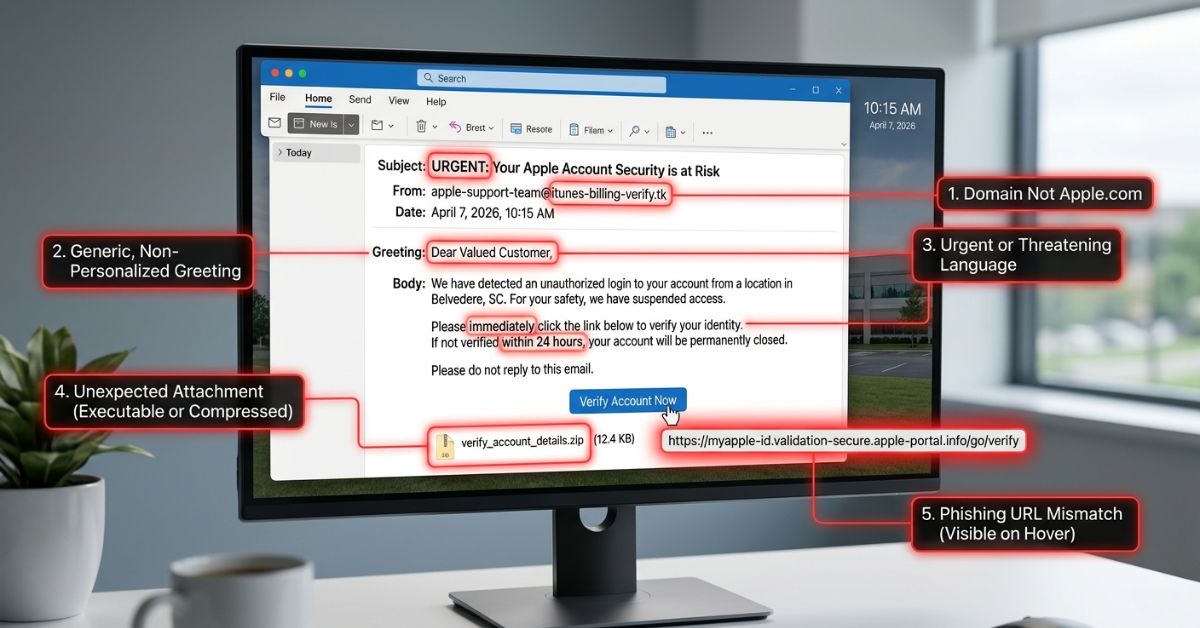

It only takes one click.
Most cyberattacks do not start with advanced hacking techniques or complex systems being broken into. They start with a simple action. Someone clicks a link that looked legitimate.
We have seen it time and time again. A busy employee receives an email that appears to come from Microsoft, a vendor, or even a coworker. It feels urgent. It looks real. Without thinking twice, they click.
That single moment can open the door to a full-scale security incident.
If you want to reduce your risk in a meaningful way, one of the most practical habits your team can build is this: pause and check the link before clicking.
Why Links Are a Primary Attack Method
Cybercriminals rely on deception more than force. They do not need to break through strong systems if they can convince someone to let them in.
Phishing emails are designed to look trustworthy. They often include:
- Login requests for Microsoft 365 or other platforms
- Fake invoices or payment requests
- Messages that appear to come from leadership
- Security alerts that create urgency
The link inside the message is the real danger. It may lead to a fake login page that captures passwords or silently download malicious software onto the device.
From there, attackers can gain access to email accounts, financial systems, and sensitive company data.
This is why cybersecurity awareness training is so important. Technology can filter a lot, but it cannot replace wise decision making.
What Happens After a Bad Click
Many people assume that clicking a bad link will immediately show obvious signs of a problem. In reality, the damage often happens quietly.
Once a user enters their credentials into a fake site, attackers can:
- Access email accounts and monitor communication
- Send fraudulent messages to clients or vendors
- Reset passwords for other systems
- Attempt financial fraud through wire transfers or invoice changes
In some cases, malware is installed that spreads across the network. This can lead to ransomware, system downtime, and costly recovery efforts.
What started as a simple click can quickly turn into a company-wide issue.
Simple Ways to Check a Link Before Clicking
The good news is that this is one of the easiest habits to build. It just requires slowing down for a few seconds.
Here are a few practical steps your team can take:
Hover Over the Link
Before clicking, hover your mouse over the link and look at the actual URL.
Does it match the company it claims to be from?
Does it include strange spelling, extra characters, or unfamiliar domains?
If something feels off, do not click.
Look for Subtle Red Flags
Attackers often create links that look close to the real thing.
For example:
- micr0soft.com instead of microsoft.com
- secure-login365.net instead of microsoft.com
- Slight misspellings or added words
These small differences are easy to miss if you are moving quickly.
Be Cautious with Urgency
Many phishing emails create pressure.
They may say:
- “Your account will be locked today”
- “Immediate action required”
- “Payment overdue”
Urgency is often a tactic to bypass careful thinking. Slow down and verify before acting.
When in Doubt, Go Direct
Instead of clicking the link, go directly to the official website by typing it into your browser.
If the message claims to be from Microsoft, log in through your normal Microsoft portal. If it is from a vendor, contact them directly.
This simple step can prevent most phishing attacks.
Cybersecurity Is a Matter of Stewardship
At Cross Link Consulting, we often remind clients that cybersecurity is not just about technology. It is about stewardship.
Your organization has been entrusted with data. That may include financial records, client information, employee details, or operational systems. Protecting that information is part of serving people well.
Small habits, like checking a link before clicking, reflect that responsibility.
Stewardship is often lived out in these quiet, everyday decisions.
Building a Culture of Awareness
Cybersecurity is strongest when it becomes part of your company culture.
That means:
- Encouraging employees to ask questions
- Removing the fear of reporting suspicious emails
- Reinforcing simple habits like link checking
- Providing consistent training and reminders
People should feel supported, not blamed. Most mistakes happen during busy moments, not from carelessness.
When your team understands the why behind these practices, they become more engaged and more careful.
Final Thoughts
A single click should not have the power to disrupt your business. But without the right habits and protections in place, it often does.
Taking a few extra seconds to check a link may feel small, but it is one of the most effective ways to prevent a breach.
If your organization wants to strengthen its cybersecurity posture, from user training to fully managed protection, we would be honored to serve you.
At Cross Link Consulting, we provide Managed IT Services, business IT support, and cybersecurity solutions designed to protect what has been entrusted to you.
Because good security is not just about technology. It is about faithfully serving people through it.