
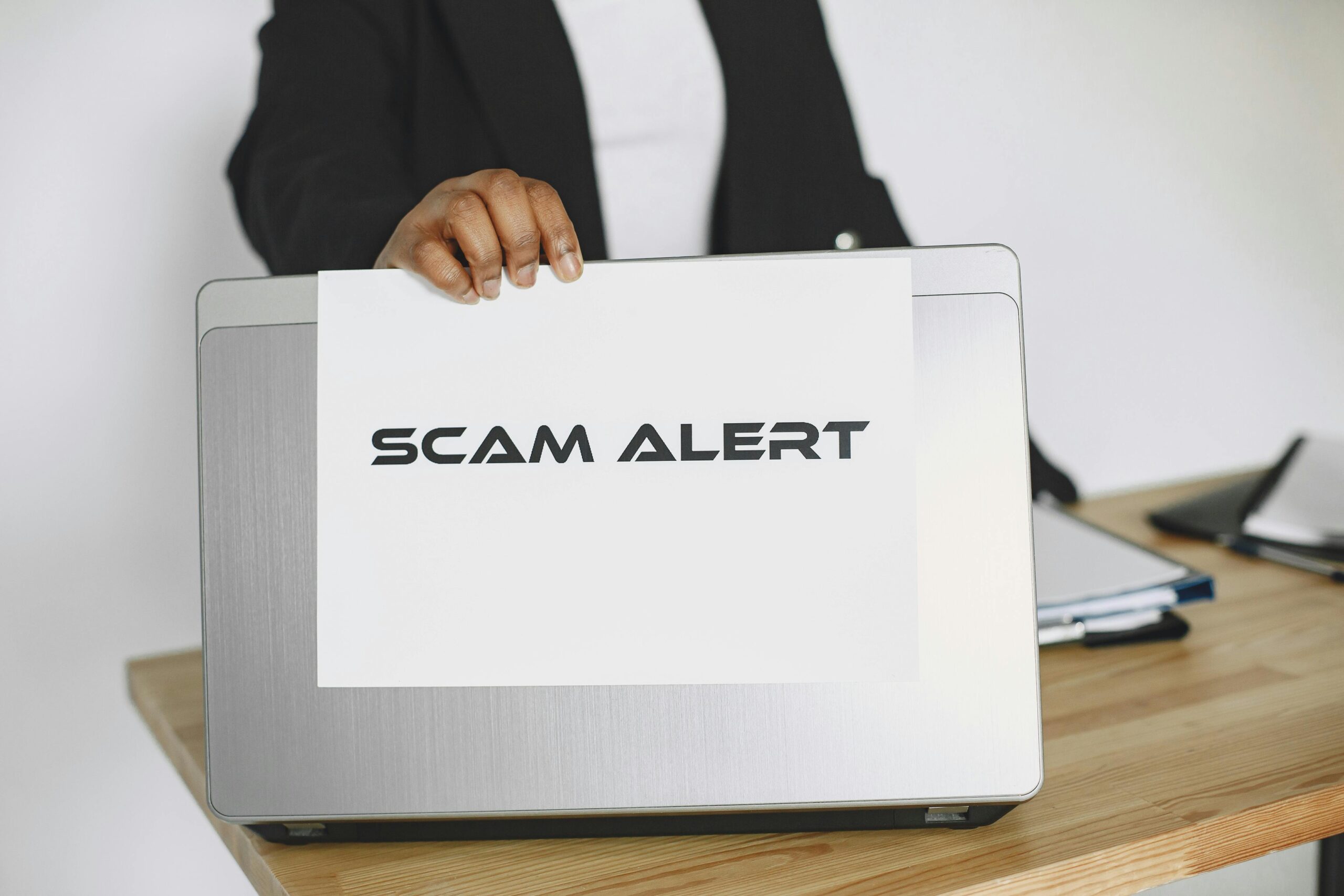

Introduction – The Rise of the “Urgent Request” Scam
Imagine this: you’re at your desk, juggling emails, when suddenly one pops up from your “CEO” asking you to wire funds immediately or approve an urgent invoice. The pressure builds, and the instinct is to act quickly. That’s exactly what cybercriminals are counting on. The “Urgent Request” scam is one of the most common and effective cyberattacks today, and slowing down before you click could save your business thousands of dollars.
What is an “Urgent Request” Scam?
This scam usually comes in the form of an email, text, or even a phone call demanding quick action. It might say your account will be locked, your payment is overdue, or your boss needs you to approve a wire transfer right away. The goal is simple: use urgency to bypass your normal decision-making process.
For small businesses, government offices, and finance teams, these scams are especially dangerous. A single click on a malicious link or an unauthorized payment could cause financial loss and damage to your reputation.
Common Red Flags to Watch For
Cybercriminals often recycle the same tricks. Watch for these warning signs:
– Unusual urgency – Phrases like “act immediately” or “final warning.”
– Requests for secrecy – “Don’t tell anyone else about this.”
– Strange sender addresses – Slightly misspelled domains that look legitimate.
– Bypassing normal processes – Skipping approval steps or pushing you to ignore standard procedures.
– Unfamiliar tone or language – If your boss suddenly writes differently, that’s a red flag.
Why We Fall for Urgency
Scammers know about human psychology. When urgency is added to a request, people are more likely to act first and think later. They exploit:
– Fear – Worry that accounts will be locked or payments missed.
– Trust – Imitating leadership or coworkers to gain compliance.
– Authority – Using titles like “CEO” or “Director” to push action without question.
This is why even experienced employees can fall victim if they don’t pause and verify.
Real-World Examples of Urgent Request Attacks
– CEO Fraud – An email pretending to be from the CEO requesting an urgent wire transfer.
– Vendor Invoice Scam – Hackers impersonate a trusted vendor and send a fake invoice marked “due immediately.”
– Government Impersonation – Threats of penalties if taxes or fees aren’t paid right away.
These scams have cost businesses, municipalities, and even nonprofits millions of dollars worldwide.
Best Practices to Protect Yourself and Your Business
Here are practical steps every business should take:
1. Verify requests through another channel – If you get a suspicious email, call the person directly.
2. Slow down – A few extra minutes of caution is better than losing thousands of dollars.
3. Educate your team – Provide cybersecurity awareness training so employees recognize these tactics.
4. Implement layered protection – Use email filtering, secure authentication, and strong policies.
5. Lean on your IT partner – A trusted Managed Service Provider can strengthen defenses and respond quickly if something slips through.
Conclusion – Faithfully Guarding What Matters Most
The next time an email lands in your inbox demanding urgent action, take a breath and pause. That moment of slowing down may protect your company’s finances, reputation, and people.
At Cross Link Consulting, our mission is to walk alongside you as a trusted IT partner—helping you guard what matters most with humility, reliability, and faithful service. If you’re ever unsure or need more support, Cross Link Consulting is always here to help.