

A Hard Truth Many Businesses Learn Too Late
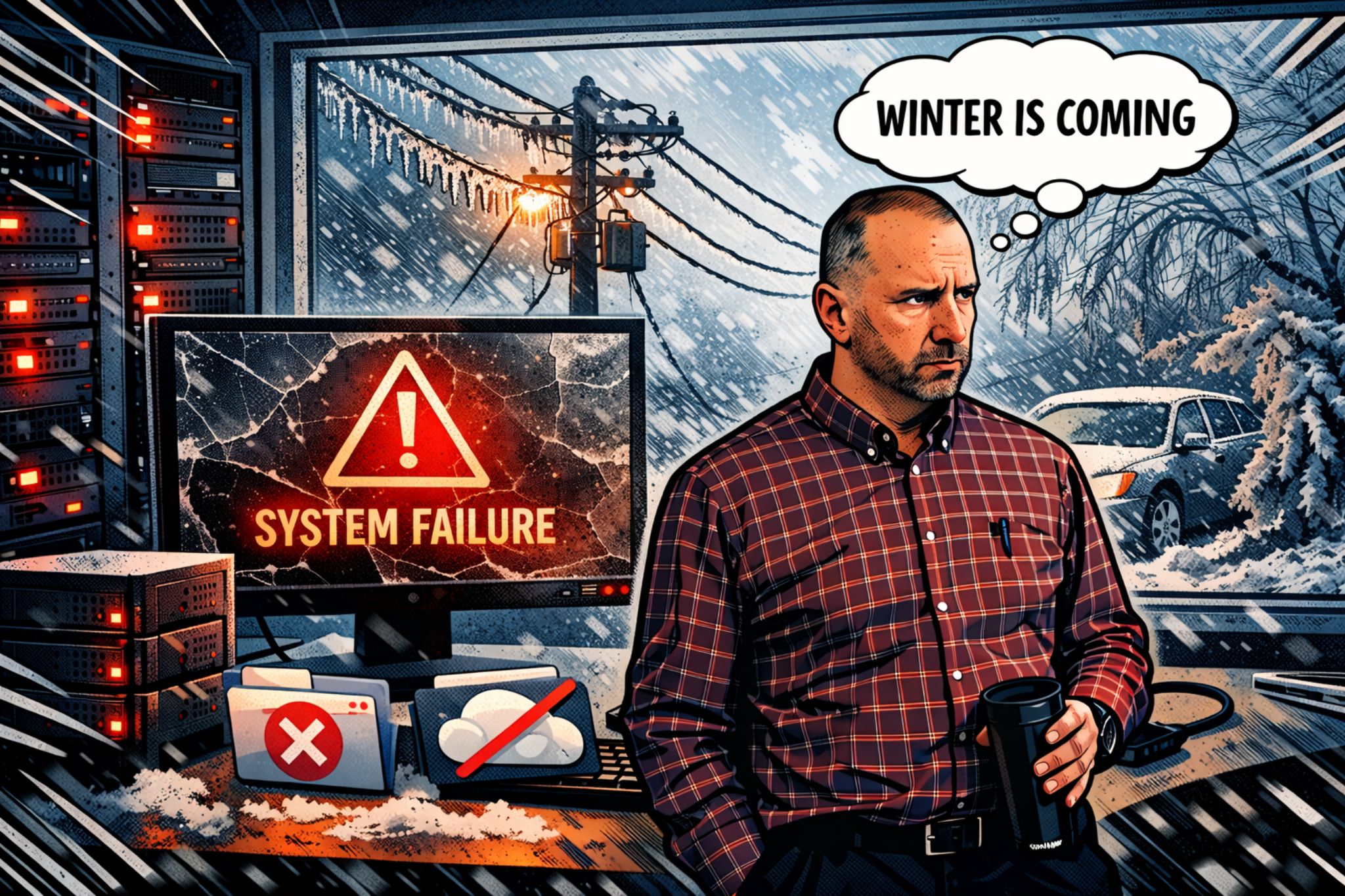
Over the years, I have walked into situations where a business leader was facing one of the hardest days of their professional life. A server failed; a ransomware attack locked everything up; a critical folder was deleted, or even worse a storm knocked out their power (we are currently preparing for an ice storm this weekend). And suddenly, the work they had spent years building was unreachable.
When something like that happens, it hits you in the gut. I have felt the weight of those moments alongside the people we serve. As the president of Cross Link Consulting, I take our responsibility seriously. Our community trusts us with their networks, their operations, and their most important information. I never take that lightly.
The truth is that many of these painful situations have one thing in common. There were no proper backups in place. Or there was no real disaster recovery plan to follow. Not a documented plan or tested plan in sight. Just assumptions that things would work out.
Why Businesses Are More Vulnerable Than They Realize
Most organizations assume that because their systems are running today, they will still be running tomorrow. But technology has a way of reminding us how fragile it really is.
Sometimes we tend to forget that technology fails us whether that’s hardware failures, servers getting old, or cloud platforms experiencing outages. These are not rare events. They are part of operating a modern business. On top of that, human error plays a larger role than many people expect. One wrong click can delete years of files. A rushed moment can overwrite critical data.
Then there are cyber threats. Ransomware, data corruption, and malicious attacks can bring operations to a halt without warning. When your data exists in only one place, you are completely exposed. Once access is lost, there may be no way back.
The Real Impact of Downtime and Data Loss
When systems go down, everything else seems to stop. Your employees cannot work and clients cannot be served. Then your projects stall. Even short outages ripple across an entire organization and create stress at every level.
Downtime also comes with a financial cost that compounds quickly. For financial organizations and government offices, even brief disruptions can create public-facing issues and lasting reputational damage.
And when data is truly gone, the impact cuts even deeper. I have seen leaders realize that client records, financial data, or years of work are permanently lost. Without proper backups, there is no way to recover what is missing. That realization carries a heavy emotional weight, especially for leaders who feel responsible for their teams and clients.
For regulated industries, data loss can also introduce compliance concerns, reporting requirements, and legal exposure that extend far beyond the initial incident.
Why the Lack of a Plan Makes Everything Worse
Even when some backups exist, recovery becomes painful without a clear disaster recovery plan. Without defined steps, priorities, and expectations, chaos takes over. Valuable time is lost while people try to figure out what should happen next.
Not all systems are equal, but without a plan, organizations struggle to decide what needs to be restored first. Recovery turns into guesswork instead of a coordinated response, and delays only increase the overall damage.
A Necessary Wake-Up Call
If you are not sure where your backups live, how often they run, what they include, or how quickly your business could recover, this is the time to take inventory. A lack of preparation does not just threaten daily operations. It threatens long-term stability.
As a trusted Managed Service Provider, our responsibility is to speak plainly about risks that can harm the businesses and communities we serve across the CSRA. If this message feels heavy, it is because the consequences are real.
Looking Ahead
This article focused only on the risks of operating without proper backups and disaster recovery planning. In our next article, we will walk through what a strong backup and disaster recovery strategy actually looks like and the key components every organization should have in place.
I encourage you to watch for that post. It could be the one that helps protect your business from a future crisis.